Sustainable Solutions: How E-Waste Recycling Services Are Saving Our Planet
E-waste poses significant threats to the environment, as disposed electronics frequently harbor hazardous substances. These toxic materials have the potential to taint soil and Find out more water sources, leading to broader ecological damage. E-waste recycling services present a viable solution. They successfully retrieve useful resources while simultaneously minimizing environmental pollution. Understanding how these services operate and their impact on communities is essential. The path to successful electronic waste management prompts vital discussions about personal accountability and communal efforts. What measures can be pursued from this point onward?
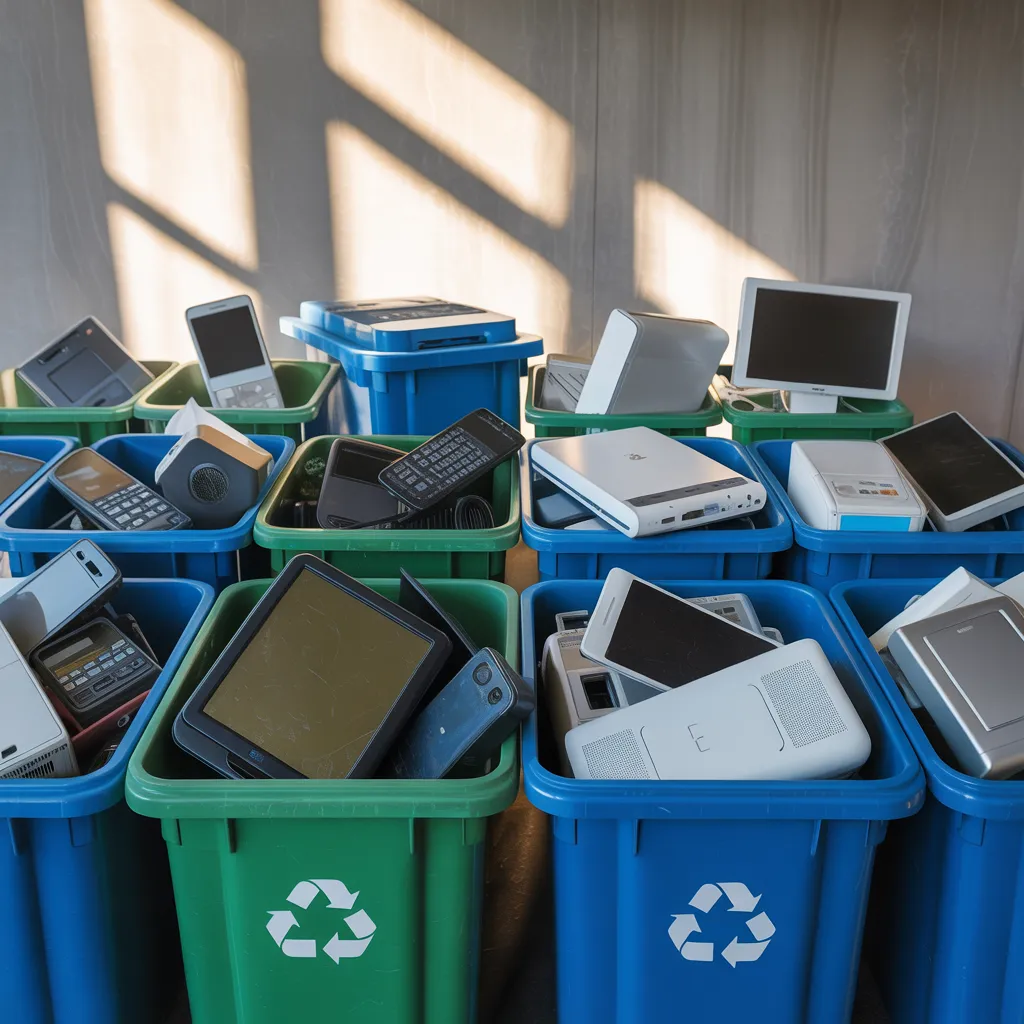
Why E-Waste Poses a Threat to the Planet
Even though technology enriches our daily lives, e-waste poses significant environmental threats. Discarded electronic devices, frequently composed of hazardous materials such as cadmium, lead, and mercury, can leach toxins into soil and groundwater, posing risks to ecosystems and human health. The accelerating rate of technological innovation results in higher rates of electronics disposal among consumers, intensifying the growing problem of e-waste.
Landfills, already strained by waste, are unable to keep up with the rising quantities of abandoned electronics. Incineration, a common waste management technique, emits dangerous pollutants into the environment, degrading atmospheric conditions. Moreover, poor recycling procedures can cause e-waste to be sent to developing regions, where employees may disassemble electronics without sufficient safety precautions, leaving them vulnerable to harmful substances. This ongoing cycle of carelessness and inadequate management emphasizes the pressing necessity for responsible recycling initiatives that can lessen the harmful consequences of e-waste on our world.
What Is E-Waste and Why Is It Important?
E-waste, also referred to as electronic waste, comprises unwanted electronic equipment including smartphones, computers, and televisions that have reached the end of their useful life. This growing category of waste is significant because of its swift buildup, propelled by advances in technology and evolving consumer behaviors. With an increasing number of devices reaching obsolescence, the toll on the environment grows more severe, with dangerous elements including lead, mercury, and cadmium presenting serious hazards to the environment and human well-being.
Addressing e-waste is crucial not only for reducing these dangers but also for acknowledging the precious materials found within it. Critical metals and rare earth components can be reclaimed and recycled, decreasing the reliance on mining and protecting natural resources. With a thorough understanding of e-waste and its impact, people and organizations alike can make educated decisions about disposal and recycling, helping to build a more sustainable world. Effective handling of e-waste is vital for encouraging a circular economy and advancing environmental responsibility.
How E-Waste Recycling Works
Recycling e-waste involves a structured approach aimed at reclaiming useful resources while reducing harm to the environment. Initially, e-waste is collected and transported to dedicated processing centers. Once there, the electronics are carefully categorized to isolate dangerous parts from recoverable materials.
After this step, technicians break down the items, extracting metals, plastics, and glass. This stage is crucial, as it facilitates the extraction of high-value metals like gold, silver, and copper, which can be reused in modern electronics.
Subsequently, the divided materials are treated using cutting-edge techniques, such as mechanical shredding and chemical processing, to refine them for reuse.
Ultimately, the residual hazardous materials are disposed of responsibly, adhering to eco-friendly standards. This multi-step approach not only conserves resources but also mitigates the risks connected to unsafe e-waste handling, guaranteeing a greener future for electronic device usage.
Why E-Waste Recycling Matters for You and Your Community
While many individuals may not realize it, the positive effects of e-waste recycling go far beyond individual benefit and actively shape entire communities. By responsibly disposing of electronic waste, individuals contribute to a cleaner environment, minimizing hazardous materials that can leach into soil and water. This responsible method works to protect local ecosystems and promotes public health.
Furthermore, electronic waste recycling supports the creation of jobs in communities. Regional recycling centers frequently need staff for numerous tasks, spanning collection through processing, therefore offering work opportunities for community members. This not only enhances the community economy but also encourages community engagement in sustainable practices.
Moreover, familiarity with e-waste recycling is capable of inspiring educational initiatives, encouraging residents to make environmentally conscious decisions. By participating in e-waste recycling programs, individuals foster a culture of sustainability, encouraging others to follow suit. All things considered, the cumulative impact of these actions can contribute to a more sustainable and conscientious community.
How to Choose an E-Waste Recycling Service
Picking the best electronic waste recycling provider is vital for guaranteeing that electronic refuse is handled in a responsible and sustainable manner. First, people should verify the company's accreditations, such as R2 or e-Stewards, which demonstrate adherence to professional guidelines for safe recycling practices. Additionally, it is advisable to assess the organization's standing by reading customer reviews and seeking recommendations from trusted sources.
Furthermore, clarity in the recycling process is essential. A reliable provider should offer detailed insights about how e-waste is processed and what happens to the materials. Additionally, considering the scope of services provided can prove valuable; some companies may provide pickup services or offer incentives for recycling.
In addition, learning about local regulations regarding e-waste disposal can further guide the choice of disposal method. Through focusing on these key aspects, consumers can play a role in responsible e-waste disposal alongside encouraging eco-friendly habits.
How You Can Get Involved in E-Waste Recycling?
Getting involved with e-waste recycling can start at the local level, where local recycling facilities regularly supply essential services for safe disposal. Moreover, taking part in community awareness campaigns can enhance efforts to educate others about the importance of responsible e-waste management. These initiatives not only encourage sustainable practices but also build a collective sense of stewardship of the environment.
Regional Recycling Centers
Numerous community recycling facilities play an essential role in the recycling of e-waste, offering communities convenient opportunities to handle electronic waste in a responsible manner. These facilities handle a range of electronic devices, including old computers, smartphones, and televisions, verifying that toxic materials are disposed of safely. Most centers are equipped with trained staff who support individuals in understanding proper disposal practices, stressing the significance of recycling instead of landfilling. Moreover, many centers offer organized drop-off opportunities or appointed collection periods, allowing residents to take part with ease. By utilizing these local services, community members advance a circular economy, minimizing ecological impact and fostering sustainable behaviors. Engaging with these centers empowers communities to take action against e-waste pollution effectively.
Community Education Campaigns
Local organizations, schools, and businesses can partner to arrange initiatives that encourage e-waste collection drives. Volunteers can play a pivotal role in promoting knowledge, handing out educational content, and interacting with the surrounding community. By means of these joint initiatives, residents become more informed and motivated to recycle their electronic waste, thereby helping to build a greener and more sustainable tomorrow.
Common Questions and Answers
What Kinds of Electronics Can Be Recycled?
Numerous electronics are able to be recycled, including laptops, televisions, smartphones, printers, computers, and gaming consoles. In addition, accessories such as mice, keyboards, and batteries are well-suited for recycling, contributing to sustainable environmental practices.
Do Any Costs Come With E-Waste Recycling?
Indeed, e-waste recycling can include costs, subject to the facility. Certain providers impose charges for collection or processing, while others provide no-cost solutions, frequently supported by the sale of reclaimed components.
How Do Businesses Gain From E-Waste Recycling?
Companies can take advantage of e-waste recycling by lowering disposal expenses, improving their green reputation, meeting compliance standards, reclaiming useful materials, and possibly earning income through resale, thereby fostering a more environmentally responsible business approach.
What Becomes of Data on Recycled Devices?
Details regarding repurposed devices is frequently permanently erased or eliminated during processing. This ensures sensitive information stays protected, blocking unwanted intrusion while allowing components to be reused securely and sustainably across new manufacturing processes.
Are Broken Electronics Eligible for Recycling?
Absolutely, broken electronics may be recycled. Numerous recycling centers accept defective devices, guaranteeing responsible disposal and retrieval of precious materials. It helps lower harm to the environment while fostering eco-friendly recycling methods to address e-waste effectively.